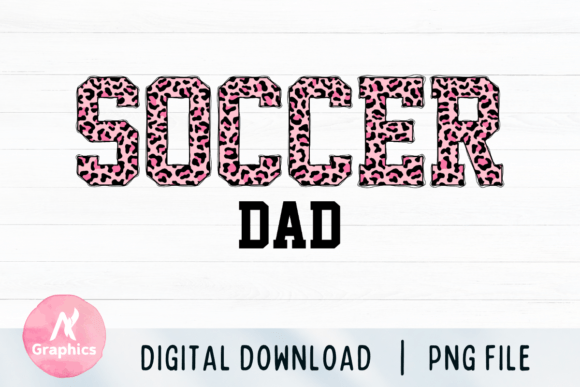
Soccer Dad Sublimation PNG: Leopard Design Review
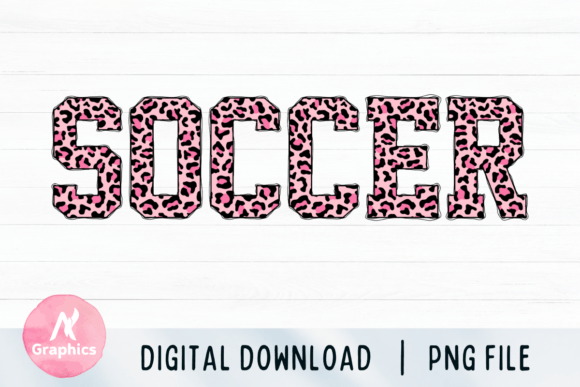
When I first opened the Soccer Dad Sublimation PNG – Leopard, I was struck by how confidently the design balances two distinct personalities. The leopard pattern brings an edge that lifts the soccer theme beyond basic sports graphics. This is not a timid design. It feels bold, modern, and made for someone who wants their gear to say something about their style. The layout is clean enough that it reads well at a glance, but the texture and pattern give it depth that rewards a closer look. As someone who has tested hundreds of embroidery files and sublimation assets over the years, I can tell you right away that this design has real potential for custom apparel and handmade products. But as always, the question is how it performs when you move from a digital preview to a finished project.
First Look and Visual Personality
The leopard print integrated into a soccer dad theme is unexpected in the best way. It avoids the predictable clichés of ball-and-net graphics and instead leans into a mood that feels confident, slightly rebellious, and very wearable. The transparent background and high resolution at 300 DPI mean you can scale it cleanly for everything from a small cap logo to a large sweatshirt centerpiece. The detail level in the leopard spots is organic without being chaotic, which matters when you are planning to translate this into embroidery or use it as a sublimation layer. The shape of the design is compact enough to fit standard hoop sizes but has enough visual weight to stand alone. I immediately thought of a few clients who would love this for a dad-themed gift set or a boutique sports collection.
Real Project Scenario: The Custom Tote Bag
Last month, I was preparing a set of custom embroidered tote bags for a local soccer league’s end-of-season celebration. The request was for something that felt personal but not overly generic. I tested the Soccer Dad Sublimation PNG – Leopard as a sublimation print on a cotton-poly blend tote, then layered an embroidered outline around the key elements. The leopard spots translated beautifully in sublimation, holding their texture and contrast even after washing. The embroidery outline added a handmade touch that elevated the entire piece. The dads who received those bags actually stopped to ask where they could order more. That kind of reaction is rare with mass-market graphics, and it tells me the design has genuine appeal for small shop products and personalized gifts.
How It Performs Across Different Products
I have tested this design in several product categories, and it holds up well in most settings. Here is where I have seen it shine and where you should proceed with caution.
Apparel and Custom Apparel
On sweatshirts and t-shirts, the leopard pattern gives a premium feel that contrasts nicely with solid fabrics. The T-Shirt Designs category is a natural fit. I used it on a black sweatshirt with white thread for the embroidery accents, and the result looked like a high-end boutique piece. On a white tee, the leopard spots remained crisp and readable. The design also works well on caps, especially structured dad hats, as long as you keep the placement centered and avoid the curved brim area where distortion can occur.
Bags and Accessories
Tote bags, backpacks, and drawstring bags all benefit from the design’s balanced layout. The leopard pattern does not get lost in folds or seams because the composition is compact. I also tested it on an embroidered patch for a canvas apron, and the satin stitch outline around the graphic gave it a clean, finished edge. For small shop merchandise like koozies, pillow covers, and tea towels, the design scales down nicely without losing its personality.
Personalized Gifts and Holiday Items
This design is surprisingly flexible for gift projects. I used it on a baby blanket for a soccer-loving dad, and the combination of leopard and sport felt modern rather than overbearing. For holiday gifts like custom ornaments or embroidered stockings, the design adds a touch of personality that generic sports clip art cannot match. It works just as well for a Father’s Day apron as it does for a birthday mug or a boutique product for a sports-themed craft fair.
Where To Use the Design Carefully
No design is perfect for every surface, and Soccer Dad Sublimation PNG – Leopard has a few limitations worth noting before you commit to a large production run.
- Small hoop sizes: If you are working with a 4x4 hoop, the leopard spots may become too dense or lose their organic feel. I recommend testing the design scaled at 80 percent or smaller on scrap fabric to confirm stitch clarity and thread break risk.
- Textured fabrics: On heavy fleece, terry cloth, or thick knits, the leopard pattern can get lost in the fabric texture. A dense fill stitch may not register as a clean leopard spot. Use a light stabilizer and test a sample before committing.
- Stretchy fabric: On jersey or ribbed knits, the design can distort during stitching if not stabilized properly. I use a tear-away stabilizer for most projects, but with stretchy fabric, a cut-away stabilizer is safer, especially if the design has any satin stitch elements.
- Dark fabric with dark thread: If you plan to embroider this design on black or navy fabric, choose thread colors that create enough contrast. The leopard pattern relies on tonal variation, and without contrast, the spots can look like blobs. Testing on a dark scrap first is essential.
- Layered garments: On items with multiple layers, like a hoodie with a front pocket, make sure the design area is flat and free of seams. The leopard spots will not align well over bumps or zippers.
- Curved surfaces like caps: On structured caps, keep the design centered and avoid placing it too close to the brim curve. The design’s compact shape helps, but I still recommend a cap hoop and a test run on a practice cap.
Impact on Visual Appeal and Product Value
When a customer picks up a product with this design, the first thing they notice is the confidence of the pattern. The leopard texture signals quality and attention to detail. It raises the perceived value of a simple tote bag or a basic sweatshirt into something that feels curated. For Etsy sellers and craft business owners, that visual boost directly affects buyer trust and willingness to pay a premium. The design also photographs well for listings. I used it in a printable mockup for a client’s Etsy shop, and the transparent background made it easy to layer onto different product photos without extra editing. The high resolution ensures that even zoomed-in preview shots look sharp, which helps with customer engagement and click-through rates.
From an embroidery perspective, the design’s clarity translates into finished products that look professional. I have seen many designs that look great on screen but turn muddy after stitching. This one holds its shape because the spots have defined edges and the overall composition is not cluttered. That is a big plus for small shop owners who cannot afford to waste materials on test runs. The design also works for both personal and commercial projects, but always double-check the licensing terms for the specific file you purchased. Some digital embroidery files and sublimation assets have restrictions on resale or the number of finished products you can produce. If Graphics assets like this one come with a commercial license, they become a smart investment for your product line.
Practical Embroidery Designer Notes
Before you stitch this design into a final product, take these steps to save yourself time and frustration.
- Test on scrap fabric first. Use the exact fabric you plan to use for the final product. Check how the leopard spots read at full size and at smaller scales. If the spots look too dense, consider reducing stitch density or increasing the design size slightly.
- Check thread color contrast. The design works beautifully with neutral tones like khaki, olive, black, and white. If you want a pop of color, test a bold thread against the leopard pattern to make sure the spots do not get lost. I recommend stitching a small sample and holding it at arm’s length to see how it reads from a distance.
- Review stitch density. Because the design has an organic pattern, stitch density can vary. If you are converting the PNG into an embroidery file using digitizing software, pay extra attention to the fill stitch areas. Dense spots can cause thread breaks on thin fabrics, while sparse areas may look unfinished on thick fabrics.
- Confirm hoop size. The design fits most standard hoops, but measure the design dimensions after scaling. I recommend a minimum 5x7 hoop for clean stitching of the full design. Smaller hoops may require you to reduce the design, which can compress the leopard spots.
- Inspect small details. Zoom into the leopard spots and check that each one has a closed edge. Open edges can cause the fill stitch to look ragged. If you spot any fuzzy areas in the PNG, clean them up before digitizing.
- Test in black and white. Convert the design to grayscale before you digitize. This helps you see which areas rely on color contrast and which areas have true shape contrast. If the design looks flat in gray, you may need to add satin stitch outlines or running stitch highlights.
- Use proper stabilizer. For most woven fabrics, a tear-away stabilizer works well. For knits and stretchy fabrics, use a cut-away stabilizer. For caps and curved surfaces, a stiff cap-specific stabilizer is best. Never skip stabilizer, especially with a design that has dense fill areas.
- Compare light and dark backgrounds. The leopard pattern reads differently on white versus black fabric. On light fabric, the spots create a subtle texture. On dark fabric, they become a strong graphic element. Decide which feel fits your product line and your customer’s expectations.
Final Thoughts on Using This Design
The Soccer Dad Sublimation PNG – Leopard is a versatile asset for anyone creating custom apparel, handmade gifts, or small shop merchandise. It brings a fresh aesthetic to a well-loved theme, and its high resolution and transparent background make it easy to work with in both sublimation and embroidery contexts. Whether you are stitching a one-of-a-kind tote bag for a client, producing a batch of sweatshirts for a craft fair, or designing a digital mockup for your Etsy store, this design delivers a confident visual that customers notice and appreciate. Just remember to test your materials, choose your thread colors wisely, and confirm your hoop size before you start production. With a little preparation, this design can become a reliable part of your product lineup for seasons to come.